
Every trip starts with a decision.
Where should we go?
Which hotel should we stay in?
Where should we eat?
What should we do when we get there?

Those decisions may feel small when you’re sitting at home scrolling through destinations.
But multiplied across millions of travelers, they become something enormous.
Tourism is one of the most powerful economic forces in the world.
For World Tourism Day 2026, that’s something worth thinking about.
Because your vacation isn’t just a vacation.
It’s also a vote, with your wallet, your attention and your time, for the kind of tourism you want to exist.
Travel Moves More Than People
According to the World Travel & Tourism Council, Travel & Tourism is forecast to contribute approximately $12 trillion to the global economy in 2026, representing about 9.9% of global GDP.
Even more striking?
The industry is expected to support approximately 376 million jobs worldwide; about one out of every nine jobs on the planet.
Think about what is hiding behind those numbers.
The hotel employee who welcomes you after a long flight.
The family running the restaurant you accidentally discovered three streets away from the tourist district.
The guide showing visitors the history of a place their family has called home for generations.
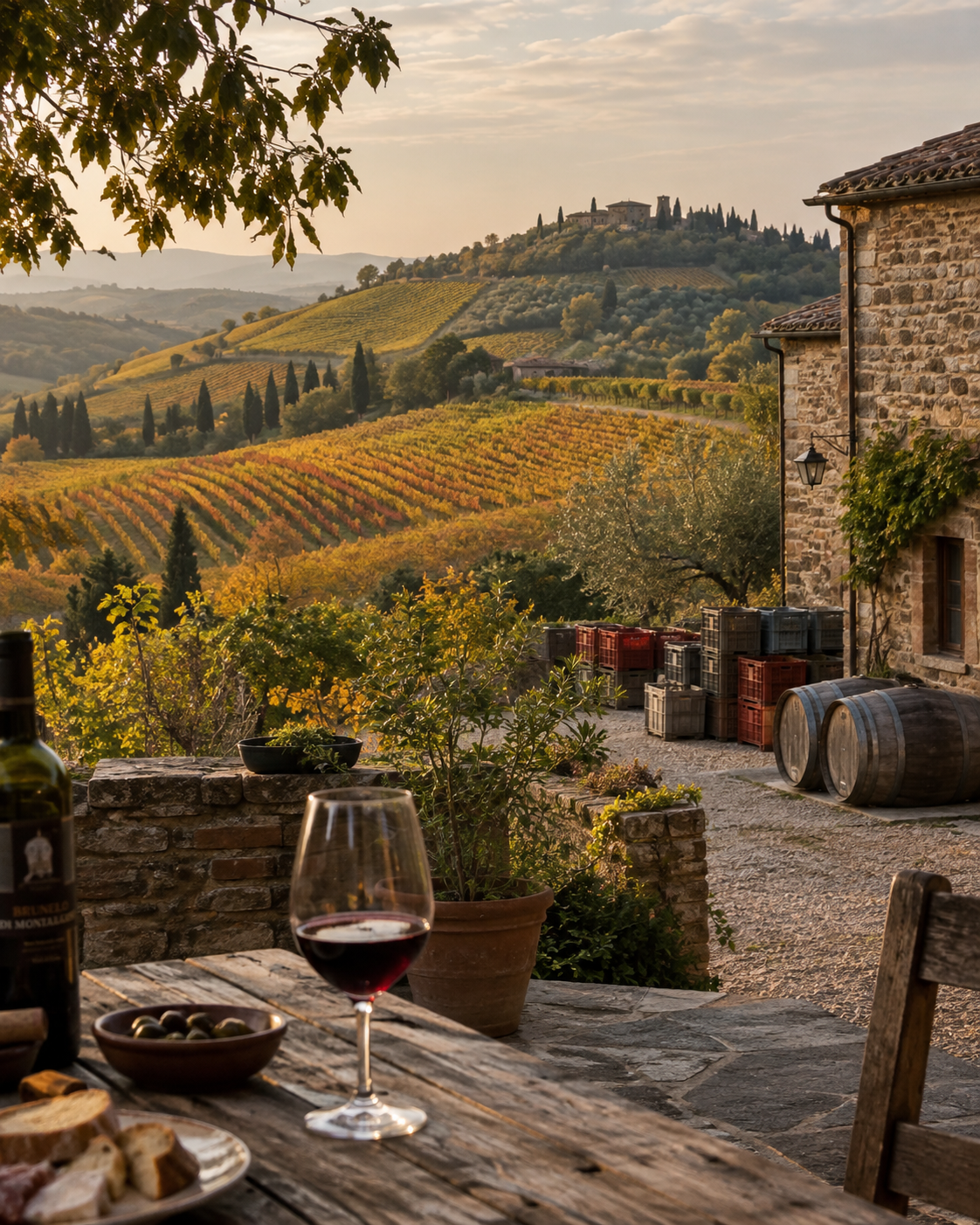
The driver waiting outside the airport.
The dive instructor.
The baker.
The farmer supplying a resort.
The artist selling something you couldn’t have found in an airport gift shop.
Travel creates an economic chain far larger than the transaction appearing on your credit-card statement.
And that means where we spend matters.
Sustainable Travel Doesn’t Mean You Have to Stop Traveling
Sustainable tourism sometimes gets presented as though responsible travelers should feel guilty for traveling.
I don’t think that’s particularly useful.
Travel creates jobs, funds businesses, generates tax revenue, exposes us to cultures different from our own and can provide communities with an economic incentive to preserve the natural and cultural resources travelers came to experience in the first place.
But growth also comes with consequences.
WTTC’s latest environmental research found that Travel & Tourism was responsible for approximately 7.3% of global greenhouse-gas emissions in 2024. Transportation accounted for the largest portion of the sector’s emissions.
There is encouraging movement, though.
Travel & Tourism’s greenhouse-gas emissions intensity, emissions relative to the economic value produced, declined about 15% between 2019 and 2024.
So perhaps the better conversation isn’t:
Should we travel?
Maybe it’s:
How do we make the travel we already love more beneficial to the places that make those experiences possible?
Your Itinerary Is an Economic Decision
Imagine two travelers visiting the same destination.
They spend roughly the same amount of money.
But one rarely leaves a concentrated tourism corridor.
The other hires a local guide, eats at an independently owned restaurant, explores a lesser-known neighborhood, visits a locally operated attraction and buys something from an artisan who actually made it.
Both travelers visited the destination.
Their economic footprints may look very different.
That’s one reason sustainable tourism isn’t only an environmental conversation.
It’s an economic and human one.
When tourism dollars circulate through communities, travel can create employment, entrepreneurship and opportunities that extend far beyond hotels and airlines.
UN Tourism itself describes tourism as a driver of economic growth, inclusive development and environmental sustainability, and notes its particular potential to create opportunities in rural communities while protecting natural and cultural resources.
AI Is About to Influence Where the World Travels
There’s another reason this conversation matters in 2026.
This year’s official World Tourism Day theme focuses on the digital agenda and artificial intelligence reshaping tourism.
That’s already happening.
Travelers increasingly ask algorithms where to stay, what destinations to visit, which restaurants are worth trying and even where they should take their next vacation.
The UN’s World Tourism Day message raises an interesting concern: AI could help smaller businesses and emerging destinations reach travelers who never would have discovered them before, but it could also repeatedly push millions of people toward the same destinations and platforms.
That makes discovery incredibly important.
And frankly, it’s one of the reasons Search It Travel exists.
The world doesn’t need every traveler standing in the same Instagram line.
There are towns, restaurants, trails, hotels, cultures and stories all over this planet that deserve to be discovered.
Sometimes the best trip starts by looking beyond what everybody else is searching for.
So What Can Travelers Actually Do?
Responsible travel doesn’t require turning your vacation into homework. A few choices can change where more of your travel dollars land:
- Look beyond the most heavily visited destinations and consider emerging or secondary locations.
- Eat, shop and explore locally whenever it genuinely adds to the experience.
- Choose responsible guides and tour operators who employ people within the destination.
- Respect local culture, neighborhoods, wildlife and natural resources rather than treating them simply as attractions.
- Travel during shoulder seasons when possible, helping distribute demand beyond a few overcrowded weeks.
- Stay longer and experience more instead of racing through destinations simply to collect them.
- Ask better questions about where your money goes.
None of that requires sacrificing an incredible vacation.
In many cases, it creates a better one.
Travel Like You Own the World; Without Acting Like You Do
At Search It Travel, our tagline has always been:
Travel Like You Own the World.
World Tourism Day is a good reminder of what that can mean.
Not ownership in the literal sense.
Responsibility.
Curiosity.
Exploration.
Understanding that the places we visit aren’t movie sets created for tourists. They’re somebody’s home.
Travel has an extraordinary ability to move money, create opportunity and connect people who otherwise may never meet.
And with an estimated $12 trillion of economic activity tied to Travel & Tourism this year, those individual decisions add up quickly.
So travel.
Explore somewhere unfamiliar.
Order something you can’t pronounce.
Talk to someone who lives there.
Take the detour.
Spend a little money somewhere unexpected.
And leave the destination with more than photographs.
Because maybe sustainable tourism isn’t about seeing less of the world.
Maybe it’s about making the world better because we chose to see it.
Travel Like You Own the World.
— Search It Travel
Ready to turn inspiration into an actual trip?
James McMullin provides personalized travel planning and booking services as an independent contractor of LuxRally Travel. Bring the dates, the destination — or simply the idea — and let’s start figuring out what your trip could look like.